
Unexplained Left Ventricular Hypertrophy: Distinguishing HCM From Its Phenocopies
A specialist reference for unexplained LV hypertrophy, comparing HCM with amyloidosis, Fabry disease, athlete’s heart and hypertensive heart disease.

A specialist reference for unexplained LV hypertrophy, comparing HCM with amyloidosis, Fabry disease, athlete’s heart and hypertensive heart disease.

A case of familial hypercholesterolaemia found in a child after her father’s early heart disease, covering cascade testing, treatment timing and LDL targets.

How heavy drinking can weaken the heart muscle, the symptoms to watch for, how it is diagnosed and treated, and why stopping alcohol matters.

Lymphoedema is chronic swelling from impaired lymphatic drainage. Learn the symptoms, stages, diagnosis and treatment options, and where to get help in Australia.

Chronic venous insufficiency causes heavy, aching, swollen legs from failing vein valves. This guide covers symptoms, tests, treatment and links with heart failure.

High LDL is not just about food. Saturated fat, genetics, thyroid and kidney conditions, some medicines and certain diets can all raise LDL cholesterol.

Two cases, a left atrial myxoma and metastatic melanoma to the heart, showing how echocardiography helps detect and characterise cardiac masses.

How echocardiography is used before, during and after cancer treatment to assess heart function and detect cardiotoxicity, including the role of strain imaging.

How echocardiography helps look for a heart source of stroke, when TTE, TOE or a bubble study is used, and how findings can change treatment.
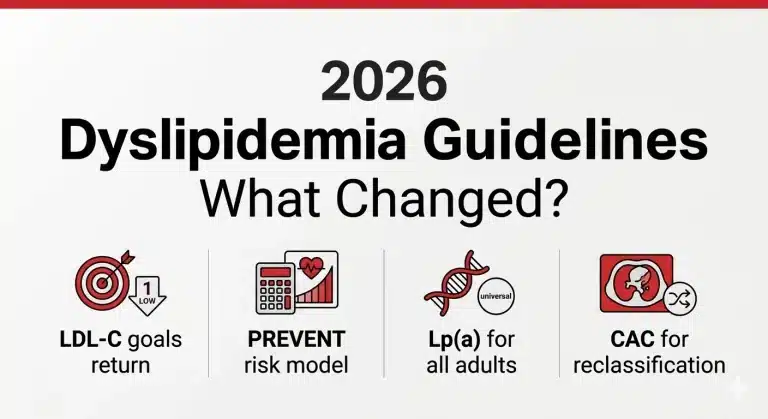
A clinician summary of the 2026 ACC/AHA dyslipidaemia guideline: PREVENT risk assessment, LDL-C goals, Lp(a), ApoB, CAC and therapy, with Australian notes.
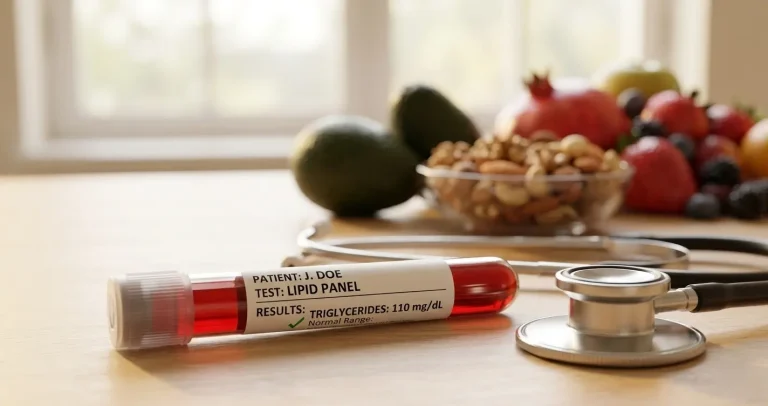
What triglycerides are, what your result means, and the diet, alcohol, weight and activity changes that can lower them, plus when medication is considered.

What a stress echocardiogram is, why it is requested, how to prepare, what happens during the test and what the results mean.